Heads up: this post contains affiliate links. If you buy through them, We Love Upholstery may earn a small commission at no extra cost to you.
Sofa back support repair types fall into four distinct categories: foam replacement, webbing restoration, spring system repair, and structural frame reinforcement. Each category targets a different failure mode, and choosing the wrong fix wastes both time and money. Support systems degrade within 5 to 7 years, with foam compression being the most common culprit after just four years of regular use. Before you buy a single staple or sheet of plywood, you need to know which of these four systems has actually failed. The right diagnosis is the repair.
1. Sofa back support repair types: start with the right diagnosis
The three root causes of sofa back failure are foam compression, support system breakdown (webbing or spring failure), and structural frame damage. Identifying which one you are dealing with determines every tool, material, and technique you will use. Press firmly on the back cushions and listen for creaking, feel for lateral wobble, and check whether the sag is centered or edge-based. Centered sag with no creaking almost always points to foam. Edge sag with creaking points to frame or spring issues.
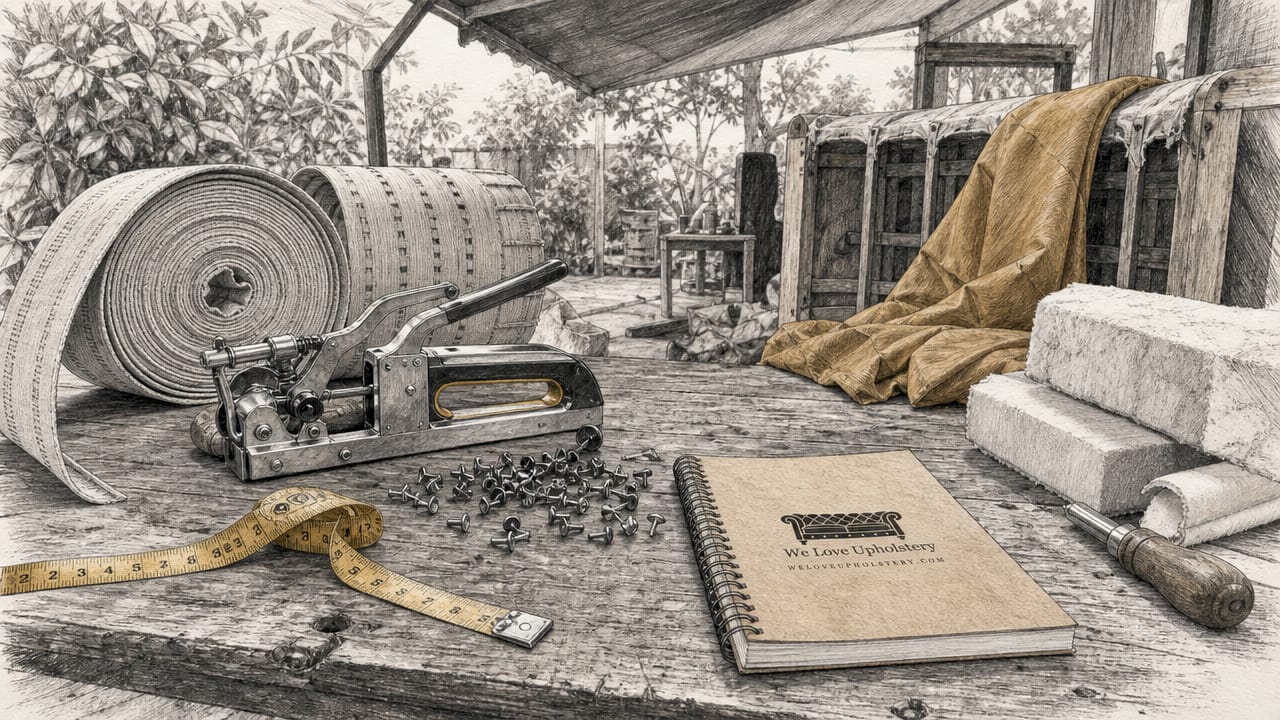
Common tools and materials you will need across all repair types include replacement upholstery webbing, high-density foam, dacron batting, upholstery staples, a staple gun, industrial wood glue, mending plates, and clamps. Having these on hand before you start prevents mid-repair trips to the hardware store.
2. Foam replacement and enhancement
High-density foam at 35kg/m³ or above is the standard for durable back support that maintains the ergonomic lumbar curve over time. When foam compresses, seat depth shrinks by 2 to 3 inches, and the lumbar curve flattens. That flattening tilts the pelvis backward, which is the direct cause of sofa-related lower back pain. Replacing compressed foam with the correct density is the single most impactful sofa back restoration method available to a DIYer.
For removable cushion covers, the process is straightforward:
- Unzip the cover and pull out the old foam block.
- Measure the original foam dimensions precisely before ordering a replacement.
- Order foam at 35kg/m³ or higher for back cushions; 40kg/m³ for seat cushions that also bear back-leaning weight.
- Wrap the new foam in a thin layer of dacron batting before reinserting it. This adds softness without sacrificing support.
- Rezip and test by sitting and pressing from multiple angles.
For sewn-in cushions without zippers, adding dacron batting around existing foam restores volume without full reconstruction. You can also locate hidden zippers along the back seam or bottom edge of the cushion cover. If none exist, a slipcover or a carefully opened and re-sewn seam gives you access to insert a foam topper behind the existing fill.
Pro Tip: When ordering replacement foam, go 10% thicker than the original measurement. Foam compresses under the weight of the cover and batting, so the extra thickness compensates and delivers the firmness you actually want.
3. Webbing and spring system repairs
The support system beneath and behind your cushions is either elastic webbing, sinuous (zigzag) springs, or hand-tied eight-way spring assemblies. Each requires a different repair approach, and confusing them leads to failed fixes.
Elastic webbing stretches over time and loses tension. Replacing it is a beginner-friendly task. Cut new webbing 10% shorter than the rail span and secure it with staples in a W-pattern using a staple gun. A webbing stretcher tool is non-negotiable here. Without it, you cannot achieve the tension that prevents future sagging.
Sinuous (zigzag) springs are the most common spring type in modern sofas. They are metal S-shaped wires that run front to back and clip into the frame. Re-hooking a displaced sinuous spring takes about five minutes with a pair of pliers. Replacing a broken one requires ordering the correct gauge wire and re-clipping it into the existing brackets.
Hand-tied eight-way spring assemblies are a different matter entirely. 68% of DIYers report failed repairs on hand-tied systems, and failed attempts can cause over $500 in additional damage. These systems require specialized knotting skills and precise tie points. If your sofa has this system and more than two springs are displaced or broken, call a professional.
| Repair type | Skill level | Estimated cost | Durability |
|---|---|---|---|
| Elastic webbing replacement | Beginner | $20 to $60 | 5 to 8 years |
| Sinuous spring re-hooking | Beginner | $0 to $15 | Long-term if spring intact |
| Sinuous spring replacement | Intermediate | $30 to $80 | 8 to 12 years |
| Hand-tied spring repair | Advanced/Pro | $150 to $500+ | Depends on execution |
| Plywood bridge (temporary) | Beginner | $10 to $20 | 6 to 18 months |
The plywood bridge fix deserves a mention as a quick, inexpensive option. Sliding a cut plywood sheet under the cushions restores firmness in about 10 minutes. It does not fix the underlying webbing failure, but it buys you time to plan a proper repair.
Pro Tip: Before replacing all webbing, check the staple holes in the frame rail. If the wood is cracked or the holes are stripped, the new webbing will pull free under load. Fix the frame first, then install the webbing.
For a full walkthrough on spring-specific repairs, Weloveupholstery has a dedicated spring repair guide that covers sinuous and coil systems step by step.
4. Structural frame reinforcement
Frame damage is the most underdiagnosed cause of sofa back failure. Cracked rails, loose lag bolts, and stripped center support legs all produce the same symptom: a sofa that sags or wobbles even after you replace the foam and webbing. Screws alone cause further splitting in cracked wood. The correct method combines industrial wood glue with physical reinforcement.
Common structural issues and their fixes:
- Cracked rails: Apply industrial wood glue (Titebond III or equivalent) into the crack, clamp for 24 hours, then sister the rail with a plywood strip or metal mending plate screwed across the break. This distributes the load across a wider surface area.
- Loose lag bolts: Remove the bolt, inject wood glue into the hole, insert a wooden toothpick or dowel to fill the stripped space, let it cure, then re-drive the bolt.
- Stripped center support legs: Replace with an adjustable threaded leg. Set the leg about 1/8 inch shorter than the corner legs when unoccupied, then test with a paper drag check. Slide a piece of paper under the leg tip. It should drag slightly, confirming firm contact without lifting the frame.
To access any of these components, you need to remove the dust cover or back panel. A flat-head screwdriver or staple remover detaches the staples holding the dust cover without tearing the fabric. Work slowly along the edges and fold the cover back carefully. This single step opens up the entire internal structure for inspection and repair.
| Structural issue | Tool required | Repair material | Difficulty |
|---|---|---|---|
| Cracked rail | Clamps, drill | Wood glue, plywood, mending plates | Intermediate |
| Loose lag bolt | Drill, wrench | Wood glue, wooden dowel | Beginner |
| Stripped center leg | Wrench | Adjustable threaded leg | Beginner |
| Broken corner block | Drill, clamps | Wood glue, corner block | Intermediate |
Weight distribution is the governing principle in all structural repairs. A patch that concentrates stress at one point will fail again. Every reinforcement plate, sister board, or glue joint must spread the load across a larger surface.
5. Comparing repair methods by cost, difficulty, and durability
Choosing the right sofa back support solution depends on three factors: your budget, your skill level, and how long you need the repair to last. Here is how the main methods compare.
Foam replacement costs $40 to $150 for materials and requires no specialized tools beyond a utility knife. It is the highest-impact repair for comfort and the easiest for beginners. Expect 8 to 12 years of restored support with quality foam.
Webbing replacement costs $20 to $80 and requires a staple gun and webbing stretcher. It is beginner-friendly and delivers long-term results. Skipping the stretcher is the most common mistake and produces a repair that sags within months.
Spring repair ranges from free (re-hooking a sinuous spring) to $500 or more for professional hand-tied work. Novices should limit themselves to sinuous systems. If you are unsure which spring type your sofa uses, check the couch repair cost guide at Weloveupholstery before committing to a repair path.
Frame reinforcement costs $15 to $100 in materials and is intermediate in difficulty. It delivers permanent results when done correctly. Cosmetic fixes like wood filler alone will not hold under repeated loading.
Signs that professional restoration is the better call:
- More than three broken or displaced springs in a hand-tied system.
- Frame rails cracked at multiple points or near joints.
- Structural damage combined with fabric damage requiring full reupholstery.
- The sofa has significant sentimental or monetary value that justifies the investment.
If you are unsure whether repair is worth it at all, Weloveupholstery’s guide on when repair makes sense lays out the decision clearly.
Key takeaways
Effective sofa back support repair requires identifying the exact failure type first, then applying the correct technique, material, and reinforcement for that specific system.
| Point | Details |
|---|---|
| Diagnose before you buy | Identify whether the failure is foam, webbing, springs, or frame before purchasing any materials. |
| Foam density matters | Use 35kg/m³ or higher foam for back cushions to maintain lumbar support and prevent repeat compression. |
| Webbing needs tension | Always use a webbing stretcher when replacing elastic webbing; hand-tensioned webbing sags within months. |
| Frame repairs need load distribution | Combine wood glue with mending plates or sister boards; screws alone cause further splitting. |
| Know your limits | Hand-tied spring systems have a 68% DIY failure rate; novices should stop at sinuous spring repairs. |
What I’ve learned from years of sofa back repairs
The most common mistake I see from first-time DIYers is treating the original factory design as the gold standard. It is not. Original upholstery designs are evidence, not blueprints. Many sofas fail precisely because the factory used the minimum viable webbing gauge or the thinnest foam that still felt acceptable in a showroom. When you repair, you have the opportunity to build something stronger than what came out of the factory.
I always over-engineer slightly. If the original webbing was 2-inch elastic, I replace it with 3-inch jute or polypropylene. If the original foam was 28kg/m³, I go to 35kg/m³. The cost difference is rarely more than $20, but the durability difference is measured in years. Poor lumbar support is not just a comfort issue. It is a health issue that compounds over months of daily sitting.
The other lesson I keep relearning is that structural repairs done in a hurry always come back. Glue needs its full cure time. Clamps need to stay on overnight. A frame joint that looks solid after two hours is not the same as one that has cured for 24. Patience in the structural phase saves you from redoing the entire job six months later. Repair the root cause completely, then move on to foam and fabric.
— Dustin
Take your sofa repair further with Weloveupholstery

Once your sofa back support is restored, the right fabric and finishing materials make the difference between a repair that looks professional and one that looks patched. Weloveupholstery’s upholstery fabric guide covers every fabric type suited to sofa backs, from heavy-duty canvas to performance velvet, with guidance on which holds up best under daily use. For finishing seams and edges after structural work, the fabric glue repair guide walks you through adhesive selection and application techniques that create clean, lasting bonds. If your project involves older furniture, the vintage upholstery techniques resource covers traditional methods that complement hand-tied spring systems and period-appropriate materials. Browse the full supply materials guide to stock your toolkit before you start.
FAQ
What are the main sofa back support repair types?
The four main types are foam replacement, webbing restoration, spring system repair, and structural frame reinforcement. Each targets a distinct failure mode, so correct diagnosis determines which repair you need.
Why does sofa back support fail so quickly?
Support systems typically degrade within 5 to 7 years, with foam compression beginning after about 4 years of regular use. Webbing and spring failure accelerate when the sofa is used beyond its weight rating or when the frame develops stress cracks.
Can I fix sagging sofa back support without removing the fabric?
Yes, in many cases. Adding dacron batting through a hidden zipper or a carefully opened seam restores volume without full disassembly. A plywood bridge under the cushions also improves firmness in about 10 minutes as a temporary fix.
When should I call a professional for sofa back repair?
Call a professional when the sofa has a hand-tied eight-way spring system with multiple broken springs, when frame rails are cracked at several points, or when the repair requires full reupholstery. Failed DIY attempts on complex spring systems can cause over $500 in additional damage.
What foam density is best for sofa back cushions?
High-density foam at 35kg/m³ or above is the recommended standard for sofa back cushions. This density maintains the ergonomic lumbar curve and resists compression for 8 to 12 years under normal use.