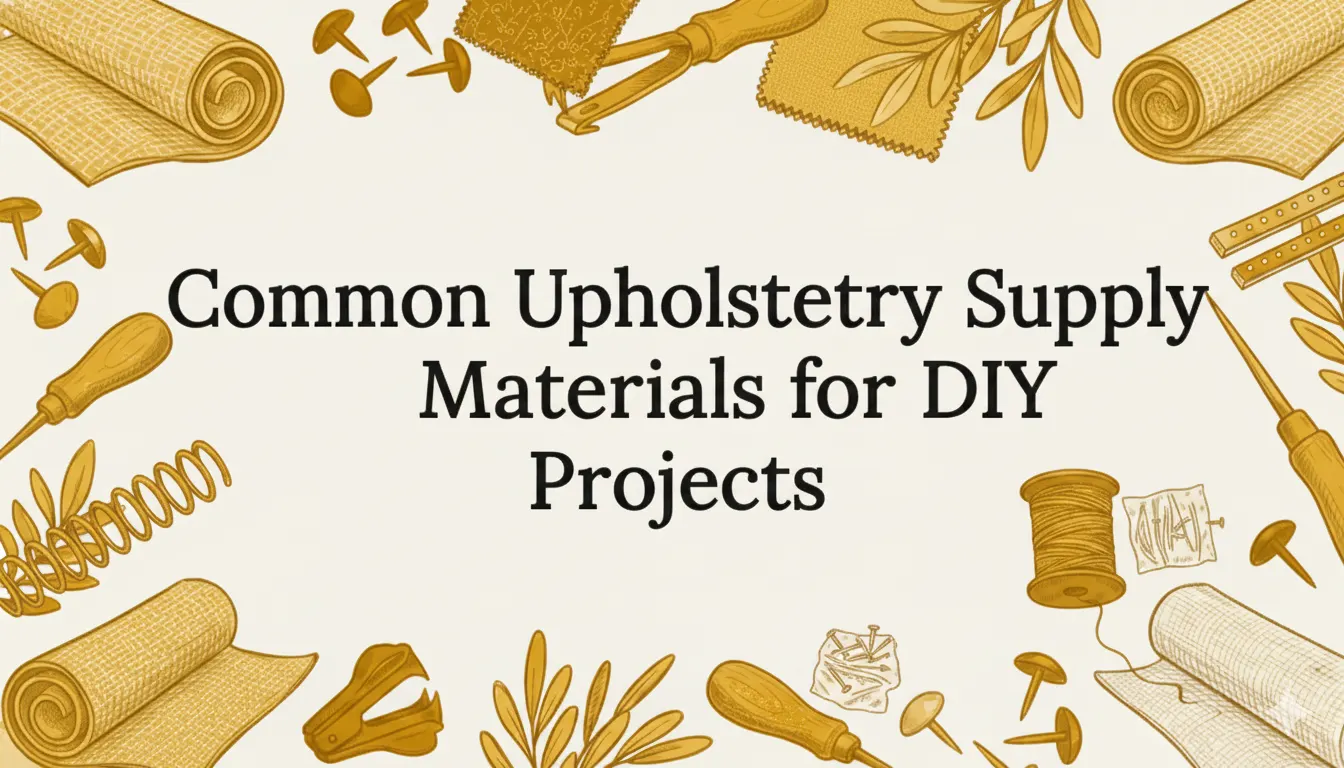
Starting a furniture restoration project without knowing your materials is like trying to cook a new recipe without reading the ingredients first. You might get something done, but it probably won’t hold up. Understanding common upholstery supply materials before you buy a single yard of fabric saves you money, prevents frustrating mistakes, and gives your finished piece the durability it deserves. Whether you’re recovering a dining chair or restoring a vintage sofa, this guide walks you through every material you need to know.
Table of Contents
- Key takeaways
- 1. Common upholstery supply materials: the full breakdown
- 2. Comparing upholstery fabric types: pros, cons, and best uses
- 3. How to choose upholstery materials for your specific project
- 4. Essential supplementary upholstery supplies
- My honest take on picking upholstery materials
- Ready to start your upholstery project?
- FAQ
Key takeaways
| Point | Details |
|---|---|
| Match fabric to traffic level | High-use furniture needs microfiber, vinyl, or chenille rather than delicate linen or velvet. |
| Foam density determines longevity | High-density foam cores hold their shape far longer than low-density alternatives for seat cushions. |
| Natural and synthetic fibers each have trade-offs | Cotton and linen breathe well but wear faster; synthetics resist stains but can feel less comfortable. |
| Outdoor fabrics need UV protection | Solution-dyed acrylics like Sunbrella resist fading and moisture far better than standard indoor fabrics. |
| Technique matters as much as materials | Working from the center outward when stapling prevents puckering and produces a professional finish. |
1. Common upholstery supply materials: the full breakdown
Before you can compare or choose, you need to know what’s actually on the shelf. Here’s a rundown of every major material category you’ll encounter on your upholstery supply list.
Woven natural fabrics
Cotton and linen are soft, breathable, and easy to sew, which makes them popular for casual furniture and beginner projects. Cotton is forgiving to work with and takes dye well, so you’ll find it in a huge range of colors and prints. Linen has a slightly coarser texture and a natural, relaxed look that suits farmhouse and coastal styles. The downside is that both fibers wrinkle easily and wear faster under heavy use. Blending them together improves durability and reduces wrinkling without sacrificing that natural feel.
Velvet and chenille
Velvet is a cut-pile fabric with a distinctive sheen and a soft, luxurious texture. It photographs beautifully and adds visual weight to a room, but it shows every pet hair and fingerprint. Chenille has a similar plush feel with a slightly more casual appearance and better durability than velvet. Both fabrics are best suited to accent chairs or low-traffic pieces where looks matter more than hard wear.
Microfiber
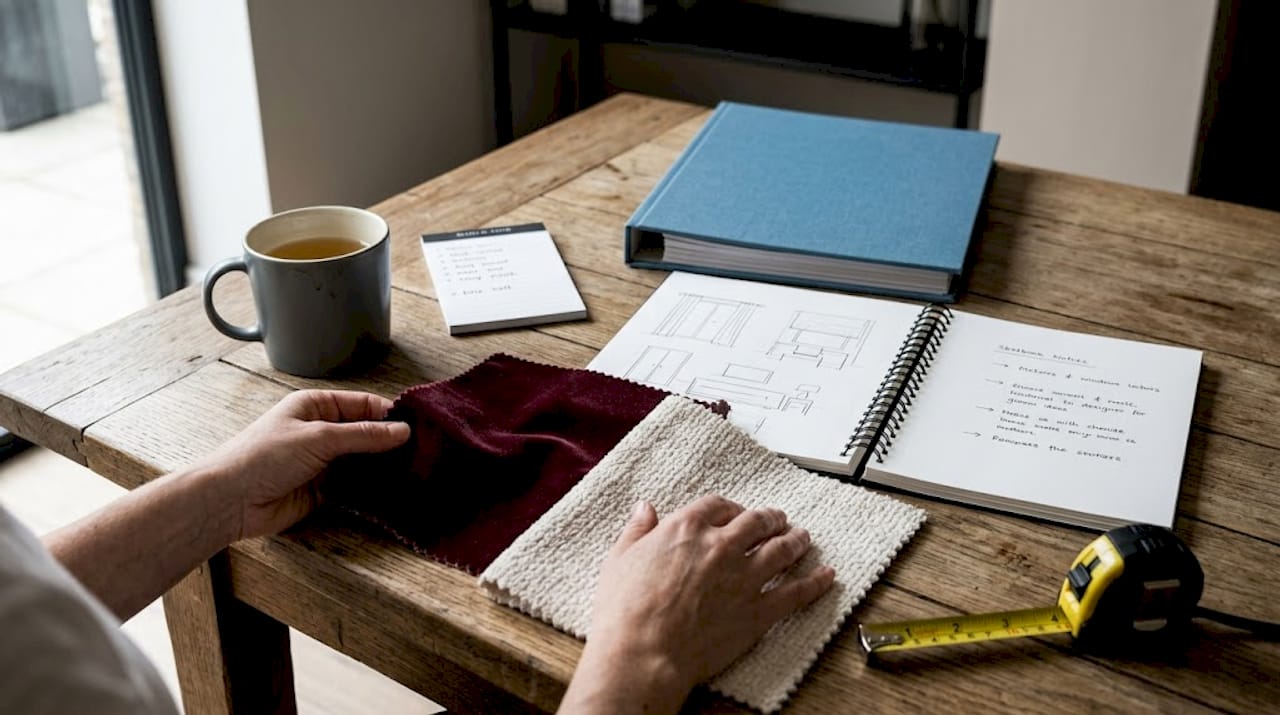
Microfiber upholstery is one of the most practical choices for family rooms and high-use furniture. It’s tightly woven, stain-resistant, and easy to clean. One thing to know: microfiber requires specific cleaning methods. Water can actually damage it, while rubbing alcohol works well on oily stains. Always check the cleaning code on the label before reaching for a spray bottle.
Vinyl and faux leather
Vinyl upholstery fabric is water-resistant, wipes clean in seconds, and holds up well in high-traffic spots like dining chairs and kids’ furniture. It’s one of the most budget-friendly options on this list. Faux leather (also called PU leather) looks more refined than basic vinyl and comes in a wider range of textures, though it can crack over time if not conditioned. Neither material breathes the way fabric does, so they can feel warm in summer.
Outdoor upholstery fabrics
If you’re working on patio furniture, standard indoor fabrics won’t last a season. Sunbrella is a solution-dyed acrylic that provides up to 98% UV protection and costs roughly $50 to $70 per yard. It resists fading, mold, and moisture far better than any indoor fabric. Olefin (also called polypropylene) is a more affordable outdoor option with good UV resistance, though it doesn’t match Sunbrella’s premium durability.
Pro Tip: For outdoor cushions, always choose a fabric rated for outdoor use rather than treating an indoor fabric with a spray. Spray treatments wear off. Solution-dyed fibers hold their color from the inside out.
Upholstery foam types
Foam cores in cushions typically use a high-density foam center wrapped in a lower-density fiber layer for that soft, rounded appearance. High-density foam (1.8 lb per cubic foot and above) holds its shape through years of use. Low-density foam compresses quickly and leaves cushions looking flat within months. For seat cushions, always go high-density. For back cushions or decorative pillows, a softer, lower-density foam or a fiber fill works fine.
2. Comparing upholstery fabric types: pros, cons, and best uses
Now that you know what each material is, here’s how they stack up against each other on the factors that matter most for DIY projects.
| Material | Durability | Stain resistance | Indoor/Outdoor | Cost range |
|---|---|---|---|---|
| Cotton/Linen | Moderate | Low | Indoor only | $ |
| Microfiber | High | High | Indoor | $$ |
| Velvet/Chenille | Moderate | Low to moderate | Indoor | $$-$$$ |
| Vinyl/Faux leather | High | Very high | Indoor (some outdoor) | $ to $$ |
| Sunbrella acrylic | Very high | Very high | Outdoor/Indoor | $$$ |
| Olefin | High | High | Outdoor | $$ |
Natural vs. synthetic fibers is the core decision most beginners struggle with. Natural fibers like cotton and linen feel better against skin and look more organic, but they absorb stains, fade in sunlight, and wear down faster under daily use. Synthetic fibers like microfiber and vinyl resist stains and last longer, but they can feel less comfortable and may look more utilitarian depending on the style.
A few common pitfalls worth knowing:
- Choosing velvet for a home with pets because it looks good. You’ll spend more time with a lint roller than enjoying the furniture.
- Buying the cheapest foam available. Thin, low-density foam collapses fast, and replacing it costs more than buying quality foam upfront.
- Using indoor fabric on a covered porch. Even indirect sun and humidity will degrade it within a year.
- Ignoring cleaning codes on fabric. Using the wrong solvent can permanently damage certain upholstery fabrics.
3. How to choose upholstery materials for your specific project
Knowing the materials is one thing. Matching them to your actual project is where most DIYers either get it right or waste money. Here’s a practical framework.
- Assess traffic level. A dining chair that gets used three times a day needs a completely different fabric than a reading chair used on weekends. High-traffic pieces need microfiber, vinyl, or a tightly woven synthetic blend.
- Consider who uses the furniture. Homes with kids or pets need stain-resistant, easy-to-clean fabrics. Vinyl and microfiber are your best friends here.
- Think about the environment. Outdoor or sunroom furniture needs UV-resistant fabrics. Indoor pieces in dry climates can use natural fibers without much worry.
- Match your skill level to the fabric. Beginners should avoid slippery fabrics like velvet or loosely woven linens. These shift during stapling and are hard to keep taut. Microfiber and cotton canvas are much more forgiving.
- Set a realistic budget. Premium fabrics like Sunbrella are worth it for outdoor pieces that take real abuse. For a decorative indoor accent chair, a mid-range cotton blend works just as well.
- Plan your cleaning routine. If you hate spot-cleaning, choose a fabric with a “W” or “S/W” cleaning code. These handle both water-based and solvent-based cleaning.
Pro Tip: Puckering during stapling is the most common beginner mistake. Always start at the center of each side and work outward, pulling the fabric with consistent tension as you go. Practice on a scrap piece first before committing to your good fabric.
4. Essential supplementary upholstery supplies
Fabric and foam get all the attention, but the rest of your upholstery supply list matters just as much for a clean, lasting result.
Webbing and support materials
Upholstery webbing sits beneath the foam and provides the foundational support for any seat. Jute webbing is the traditional choice: natural, firm, and biodegradable. Elastic webbing is more forgiving and works well for modern or curved seat frames. Both are woven in a grid pattern across the seat frame before any padding goes on top.
Underlining and padding layers
Common upholstery underlining material types include cotton batting, polyester fiberfill, and Dacron wrap. Cotton batting sits directly over foam to soften edges and add a slight crown to cushions. Polyester fiberfill is lighter and less expensive. Dacron wrap goes around foam cushions to give them that full, rounded look you see on professional pieces.
Fasteners and tools
Your upholstery supply list should also include:
- A heavy-duty staple gun (electric or pneumatic for thick frames)
- 3/8-inch and 1/2-inch staples for different fabric weights
- T-pins for temporarily holding fabric in place while you adjust tension
- Sharp fabric scissors or a rotary cutter for clean edges
- A tack strip or gimp braid for finishing raw edges on exposed wood frames
These supplies directly affect the quality of your finished piece. A cheap staple gun that misfires or bends staples will leave you with loose fabric and an uneven surface within months.
My honest take on picking upholstery materials
I’ve watched a lot of beginners make the same mistake: they fall in love with a fabric before thinking about the furniture it’s going on. A gorgeous velvet on a family room sofa sounds wonderful until the dog gets on it twice and a kid spills juice. The fabric choice should follow the furniture’s job, not the other way around.
In my experience, the single biggest factor in whether a DIY upholstery project holds up is foam quality. People spend hours choosing the perfect fabric and then stuff the cushion with the cheapest foam they can find. That foam goes flat in six months, and the whole piece looks tired no matter how nice the fabric is. Spend the money on high-density foam and you’ll feel the difference for years.
I also think the industry is moving in an interesting direction. There’s a real push toward sustainable upholstery materials made from recycled and bio-based fibers, and I think that’s going to trickle down to DIY supply options within the next few years. If you’re already curious about eco-friendly choices, it’s worth exploring what’s available now through suppliers who specialize in this space.
The best advice I can give a beginner: buy a small sample before committing to a full yardage order. Touch it, pull it, spill a little water on it. You’ll learn more from five minutes with a fabric sample than from reading any product description.
— Dustin
Ready to start your upholstery project?
Finding quality materials shouldn’t be the hardest part of your project. At Weloveupholstery, we’ve put together resources and guidance specifically for DIYers and beginners who want to get it right the first time without spending hours researching every option.
Whether you’re looking for fabric recommendations, foam sourcing tips, or step-by-step repair guides for your couch, the Weloveupholstery offerings page is a solid place to start. You’ll find practical advice matched to real project types, not generic product listings. And if you want to know more about who’s behind the content, the about page gives you the full picture. Good materials and honest guidance make every project easier.
FAQ
What are the most common upholstery supply materials for beginners?
Microfiber, cotton canvas, and vinyl are the best starting points for beginners because they’re forgiving to work with, widely available, and durable enough for everyday furniture.
What foam density should I use for seat cushions?
Use high-density foam rated at 1.8 lb per cubic foot or higher for seat cushions. Lower-density foam compresses quickly and loses its shape within months of regular use.
Can I use indoor upholstery fabric on outdoor furniture?
No. Indoor fabrics break down quickly when exposed to UV rays and moisture. Use solution-dyed outdoor fabrics like Sunbrella, which offers up to 98% UV protection and resists fading and mold.
What causes puckering when stapling upholstery fabric?
Puckering happens when fabric tension is uneven during stapling. Working from the center of each side outward, with consistent pulling pressure, prevents bunching and produces a smooth, professional finish.
How do I clean different upholstery fabric types?
Check the cleaning code on your fabric: “W” means water-based cleaners are safe, “S” means solvent only, and “S/W” means both work. Using the wrong cleaning method can permanently damage certain fabrics, especially microfiber.