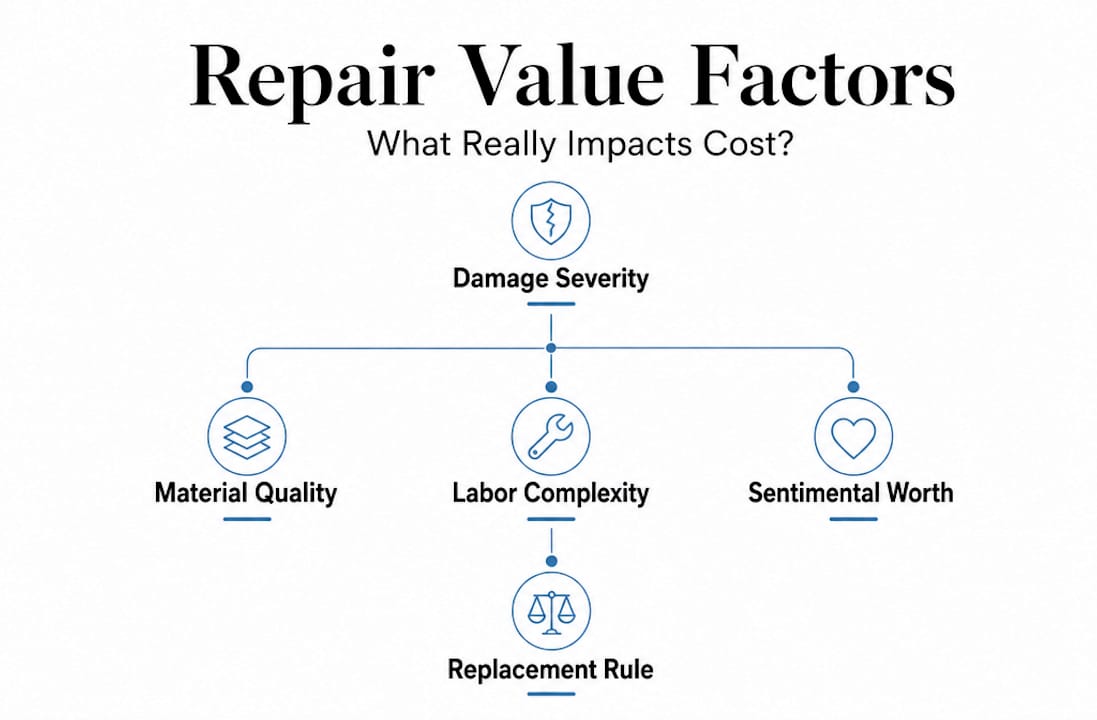
You look at a scratched dining table or a sagging sofa and wonder: is it worth fixing? Most people assume the answer depends on how old the piece is or how bad it looks. That thinking leads to expensive mistakes in both directions. What determines furniture repair value is actually a layered mix of damage severity, material quality, labor complexity, and emotional weight. This guide breaks down every factor so you can stop guessing and start making decisions you won’t regret.
Table of Contents
- Key takeaways
- What determines furniture repair value: damage severity first
- How material quality shapes repair worth
- Labor complexity, hidden damage, and real repair costs
- Sentimental value and antique considerations
- Practical framework for repair vs. replacement decisions
- My honest take on repair value decisions
- Ready to get an expert repair assessment?
- FAQ
Key takeaways
| Point | Details |
|---|---|
| Damage type drives cost | Surface scratches cost little to fix; structural breaks can push repair costs close to replacement. |
| Material quality matters | Solid wood and metal frames justify repair; particleboard and MDF often favor replacement. |
| Hidden damage changes everything | Internal frame issues and broken springs discovered mid-repair can double your original estimate. |
| The 50–60% rule is your benchmark | If repair costs exceed 50–60% of replacement cost, replacement is usually the smarter financial move. |
| Sentiment is a legitimate factor | Heirlooms and unique pieces with strong construction can justify repair costs that exceed pure economic logic. |
What determines furniture repair value: damage severity first
The single biggest driver of furniture repair cost factors is the type and extent of the damage. Not all damage is created equal, and understanding the difference between surface problems and structural ones will save you from sticker shock.
Minor surface issues sit at the low end of the cost spectrum. A shallow scratch on a hardwood tabletop, a small chip in a finish, or a loose drawer handle are all quick, inexpensive fixes. These repairs rarely affect the structural integrity of the piece, so the labor is minimal and the materials are cheap. Minor scratch filling is inexpensive compared to the cost of buying new, and most homeowners can handle these themselves with the right products.
Structural damage is a completely different conversation. A broken frame joint, a cracked leg under load, or a seat base that has collapsed all require skilled labor and sometimes specialty materials. Water rings are a minor repair, but warped or delaminated wood after standing water exposure is major work that can run hundreds of dollars before you even touch the upholstery. Fire or mold damage falls into the same category.
Here is a quick breakdown of damage types by cost tier:
- Low cost: Surface scratches, loose hardware, minor stain removal, small veneer chips
- Mid cost: Broken joints, stripped screws, moderate water staining, worn fabric on a structurally sound frame
- High cost: Broken legs or frames, severe water or fire damage, full reupholstery with internal repairs, mold remediation
Pro Tip: Before calling a repair professional, press and flex the frame of any upholstered piece. If it creaks, shifts, or feels soft, you likely have structural issues underneath the fabric. Factor that into your cost expectations before you get a quote.
A practical benchmark when evaluating furniture repair expenses is the 50–60% replacement cost rule. If the repair quote exceeds 50 to 60 percent of what a comparable new piece would cost, replacement usually wins on pure economics. That said, economics are not always the whole story.
How material quality shapes repair worth
Material quality is one of the most overlooked criteria for furniture repair valuation. The same repair performed on two different pieces can have completely different outcomes depending on what the furniture is made of.
| Material | Repairability | Typical recommendation |
|---|---|---|
| Solid hardwood | Excellent | Almost always worth repairing |
| Metal frame | Excellent | Worth repairing; can be welded or re-formed |
| Hardwood veneer | Good | Worth repairing if veneer is intact |
| MDF with veneer | Fair | Repair only if structurally sound |
| Particleboard | Poor | Replacement usually preferred |
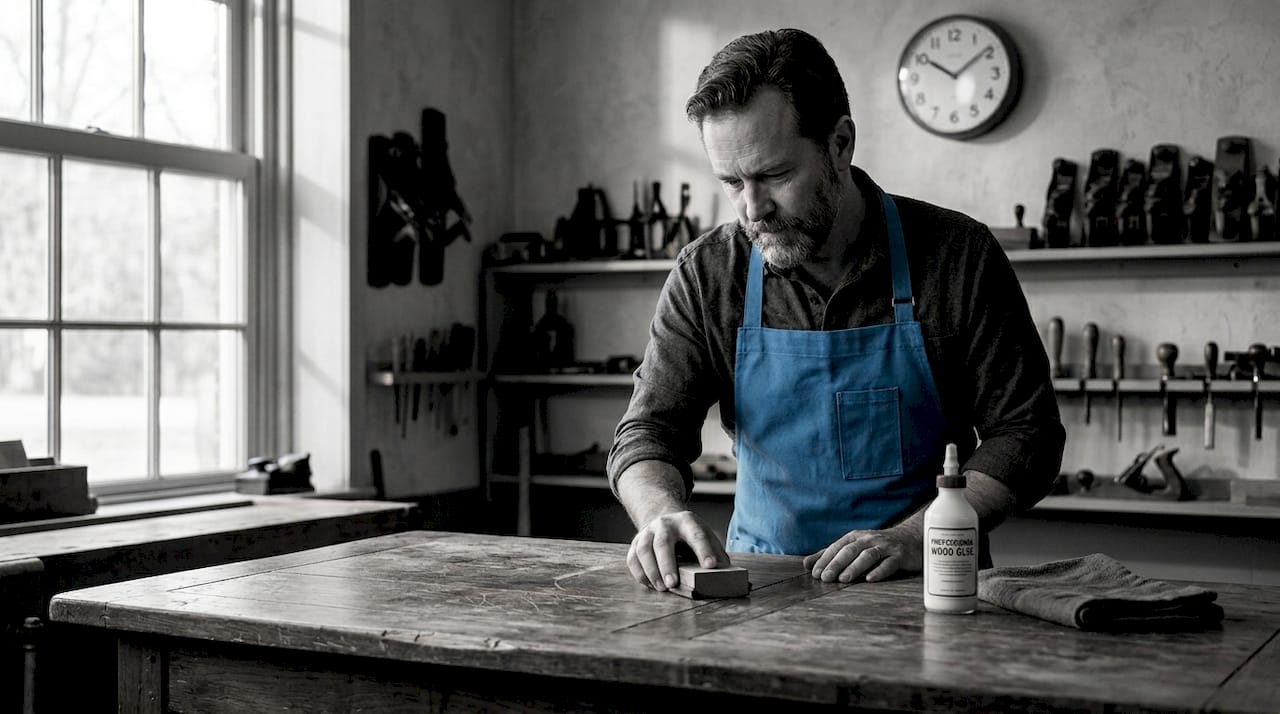
Solid wood and metal frames are worth repairing because they hold fasteners well, accept refinishing, and can last decades after a proper fix. A solid oak chair with a broken rung is a straightforward repair that adds years of life. A particleboard bookcase with a snapped shelf is a different story. Particleboard does not hold screws reliably after the original holes are damaged, and the material itself cannot be refinished.
Furniture built with traditional joinery, such as mortise and tenon joints or dovetail drawers, holds value better over time. These construction methods signal that the original maker invested in longevity. That investment pays off when you need repairs because the same joints that made the piece strong also make it easier to disassemble, fix, and reassemble properly.
Pro Tip: Flip a piece over or look at the underside of a drawer. Dovetail joints and corner blocks are signs of quality construction. Staples and thin plywood backing are signs you may be looking at a piece better replaced than repaired.
Veneer pieces fall in the middle. High-quality veneer over a solid substrate can be repaired beautifully, but pieces with delicate veneers require careful handling, which raises labor costs. The thinner the veneer, the less margin for error during sanding or refinishing.
Labor complexity, hidden damage, and real repair costs
Understanding what impacts furniture repair price means looking past the visible damage. Labor is often the largest line item in any repair estimate, and it varies significantly based on where you live, the skill level required, and what the technician finds once they start working.
Reupholstery is a perfect example. Most people think reupholstery means new fabric. In reality, a full reupholstery job often includes replacing foam, rebuilding cushion cores, repairing the seat deck, and sometimes reinforcing or replacing the internal frame. Sofa reupholstery labor starts at $1,300, and that number climbs quickly when internal repairs are needed. A simple chair reupholstery can cost more than ten times the original purchase price if the internal structure needs significant work.
Hidden damage is the biggest wildcard in calculating furniture repair value. Here is what commonly gets discovered after work begins:
- Broken or rusted coil springs under seat cushions
- Weak or failed corner blocks inside the frame
- Previous amateur repairs that used the wrong adhesives or fasteners
- Moisture damage to internal wood that was not visible from outside
Hidden internal damage greatly impacts repair feasibility and can turn a straightforward job into a major restoration. This is why a detailed inspection before any quote is non-negotiable. A reputable repair professional will want to examine the piece thoroughly before committing to a price. If someone gives you a firm quote without looking inside, treat that estimate with caution.
You can explore Weloveupholstery’s repair services to understand what a thorough upholstery assessment actually involves before you commit to any repair project.
Pro Tip: Always ask your repair professional to include a clause in the estimate for “discovered damage.” This protects both of you if hidden problems surface mid-repair and prevents the job from stalling due to scope disagreements.
Sentimental value and antique considerations
Not every furniture repair decision is a spreadsheet exercise. Sentimental value is a real and legitimate factor in how to value furniture repairs, and ignoring it leads to regret that no amount of money fixes.
A grandmother’s rocking chair or a dining table that has hosted thirty years of family dinners carries weight that no comparable new piece can replicate. Sentiment and personal attachment often justify repair even when costs are relatively high, especially for pieces with strong structural bones. The key phrase there is “strong bones.” Sentiment does not make a structurally compromised piece worth saving if the repair would be temporary.
For antiques, the calculus shifts in an important and often misunderstood way:
- Preserve the patina. Original finishes, even worn ones, contribute to collector and resale value. Removing original finishes reduces collector value; minimal intervention is preferred.
- Choose reversible methods. For documented antiques, choosing reversible repair methods preserves provenance and keeps future restoration options open.
- Get a professional appraisal first. Older furniture isn’t automatically more valuable; condition and originality matter equally. An appraiser can tell you whether a piece has collector value before you spend money on restoration.
- Avoid over-restoration. Over-restoration that removes original finishes harms collector interest more than leaving visible wear signs.
“The goal with antiques is conservation, not transformation. A piece that looks too new raises more questions than one that shows honest age.”
The distinction between conservation and restoration matters here. Conservation means stabilizing and protecting what exists. Restoration means returning a piece to a prior state, which sometimes requires removing original material. For collector pieces, conservation almost always preserves more value.
Practical framework for repair vs. replacement decisions
Pulling all of these factors together into a decision you can act on is where most homeowners get stuck. Here is a numbered process for evaluating furniture repair expenses before you call anyone.
- Assess the damage type. Is it surface or structural? Use the tier list from earlier in this article as your guide.
- Identify the material. Solid wood and metal favor repair. Particleboard and low-grade MDF favor replacement.
- Get a detailed inspection quote. Not just a visual estimate. Ask the professional to examine the internal structure before committing.
- Apply the 50–60% rule. Price a comparable replacement. If the repair quote exceeds 50 to 60 percent of that number, replacement deserves serious consideration.
- Factor in remaining lifespan. A low-cost repair is not worthwhile if the furniture will fail again within a year or two. Ask the technician directly: how long will this repair last?
- Weigh sentimental and functional value. Does the piece have irreplaceable emotional significance? Does it serve a function no current product replicates?
- Consult an appraiser for antiques. If the piece might have collector value, spend the money on an appraisal before spending it on restoration.
Pro Tip: If more than 25 to 30 percent of a piece requires repairs, replacement may be more cost-effective according to designer guidelines. Use that percentage as a quick gut-check before you go deeper into the evaluation.
The expert team at Weloveupholstery can walk you through this kind of assessment for upholstered pieces, which tend to have the most hidden variables.
My honest take on repair value decisions
I have seen homeowners spend $800 reupholstering a sofa that had a cracked frame underneath, only to watch it fail again within eight months. The fabric looked perfect. The structure was not. That experience taught me something I now consider the first rule of repair value: the surface fix is only as good as what is underneath it.
The biggest mistake I see is people leading with aesthetics. They see worn fabric or a scratched finish and focus entirely on making the piece look right again. What actually determines whether a repair holds its value is the structural integrity of the piece before you touch the surface. A solid frame with worn upholstery is a great candidate for repair. Beautiful fabric on a compromised frame is money thrown away.
I also think we undervalue sentiment in these conversations. Pure cost logic would have most of us replacing instead of repairing. But a piece that carries real meaning deserves a real assessment, not just a price comparison. What I have learned is that the right question is not “is this worth the money?” It is “will I regret not doing this?” Those are very different questions, and the second one often leads to a better decision.
— Dustin
Ready to get an expert repair assessment?
If you have worked through this guide and you are still unsure whether your piece is worth repairing, that uncertainty is usually a sign you need eyes on it from someone who does this every day.

At Weloveupholstery, we specialize in exactly the kind of complex, layered assessments this guide describes. From evaluating hidden frame damage to advising on whether reupholstery makes sense for your specific piece, our team brings real expertise to decisions that matter. Whether you have a sentimental heirloom or a high-quality sofa that deserves a second life, we can help you figure out the right path forward. Visit our repair and upholstery services page to learn more and request a consultation.
FAQ
What is the most important factor in furniture repair value?
Damage severity is the primary driver. Surface issues cost little and almost always justify repair, while structural damage can push costs close to or beyond the price of replacement.
How do I know if my furniture is worth repairing?
Apply the 50–60% rule: if the repair cost exceeds 50 to 60 percent of what a comparable new piece costs, replacement is usually the better financial decision unless sentimental or historical value is involved.
Does reupholstering a couch add value?
Reupholstery adds functional and aesthetic value, but only if the internal frame is sound. Hidden damage like broken springs or weak joints can make reupholstery a poor investment if the structure fails shortly after.
Can over-restoring an antique reduce its value?
Yes. Removing original finishes or patina from antique furniture reduces collector value. Conservation methods that stabilize without altering original material are preferred for pieces with historical significance.
Why does labor cost vary so much for furniture repairs?
Labor rates depend on geographic location, the skill level required, and what is discovered during inspection. Complex techniques like historically accurate finishing or veneer matching require more time and specialized knowledge, which increases the final price.