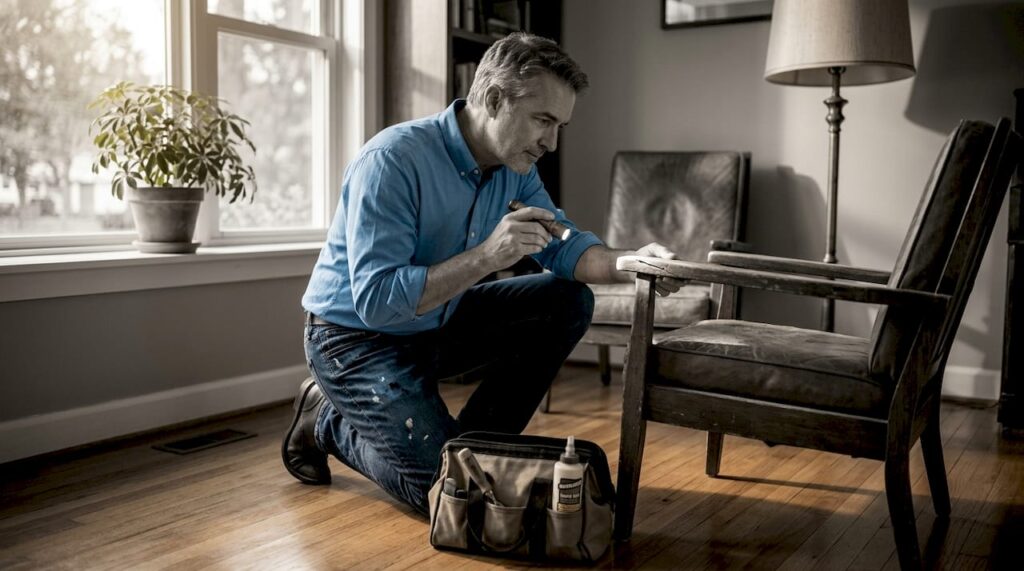
That split seam on your couch is not just an eyesore. Left alone, a loose upholstery seam spreads fast, turning a small fix into a full reupholstery job. The good news is that most homeowners can repair loose upholstery seam damage themselves with the right tools, the right technique, and a clear understanding of what actually caused the failure. This guide walks you through everything, from gathering supplies to finishing stitches that hold up under daily use.
Table of Contents
- Key takeaways
- How to repair a loose upholstery seam: tools and prep
- Step-by-step hand sewing for a durable fix
- Troubleshooting common repair problems
- Testing the repair and keeping it strong
- My honest take on DIY upholstery seam repairs
- Get more out of your furniture with Weloveupholstery
- FAQ
Key takeaways
| Point | Details |
|---|---|
| Address the root cause | A visible seam failure is often a symptom of fit issues or insufficient seam allowance, not just poor stitching. |
| Use back-stitch for strength | Back-stitching doubles each stitch, making it far more durable than a simple running stitch for upholstery repairs. |
| Prep before you sew | Cleaning the area and trimming loose threads before re-sewing prevents puckering and weak spots. |
| Reinforce with a patch | Internal patches sized about 1 cm beyond the damaged area spread pressure and prevent the seam from reopening. |
| Know when to stop | Repeated seam failures across multiple areas signal material breakdown that calls for professional help. |
How to repair a loose upholstery seam: tools and prep
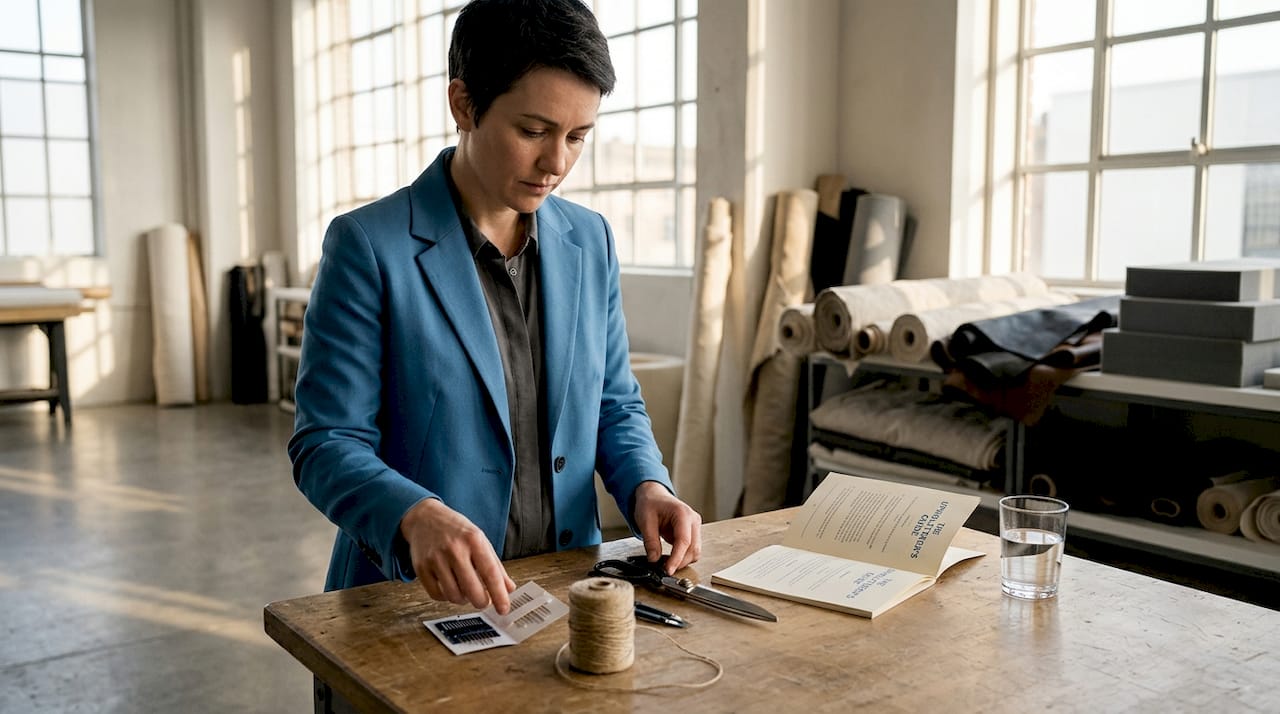
Getting the right supplies together before you start saves you from stopping mid-repair to hunt for something. It also prevents the most common beginner mistake: using the wrong thread or needle for the fabric type.
What you actually need
Here is what to have on hand before you touch the seam:
- Curved upholstery needle (a 3-inch or 5-inch curved needle reaches tight spots on cushions and chair backs that a straight needle cannot)
- Heavy-duty upholstery thread in a matching color (polyester or nylon thread in 69 or 92 weight handles the tension of daily use)
- Sharp scissors for trimming frayed threads cleanly
- Seam ripper to open any remaining attached stitching without tearing the fabric
- Internal reinforcement patch (iron-on interfacing or a scrap of matching fabric works well)
- Flexible fabric glue or leather glue for vinyl and leather repairs
- Rubbing alcohol and a clean cloth for surface cleaning before any glue application
| Material type | Recommended thread | Needle size |
|---|---|---|
| Woven fabric | Polyester, 69 weight | Size 16 or 18 |
| Leather or vinyl | Nylon, 92 weight | Size 18 or 21 |
| Microfiber | Polyester, 69 weight | Size 16 |
Choosing the right needle matters more than most people realize. Dull needles create heat and friction that shred thread before you even finish a seam. Always start with a fresh, sharp needle.
Pro Tip: Test your thread and needle combo on a scrap piece of the same fabric before working on the actual furniture. Balanced stitches look identical on both sides with no loops or puckering. If you see loops, adjust your tension before moving to the real repair.
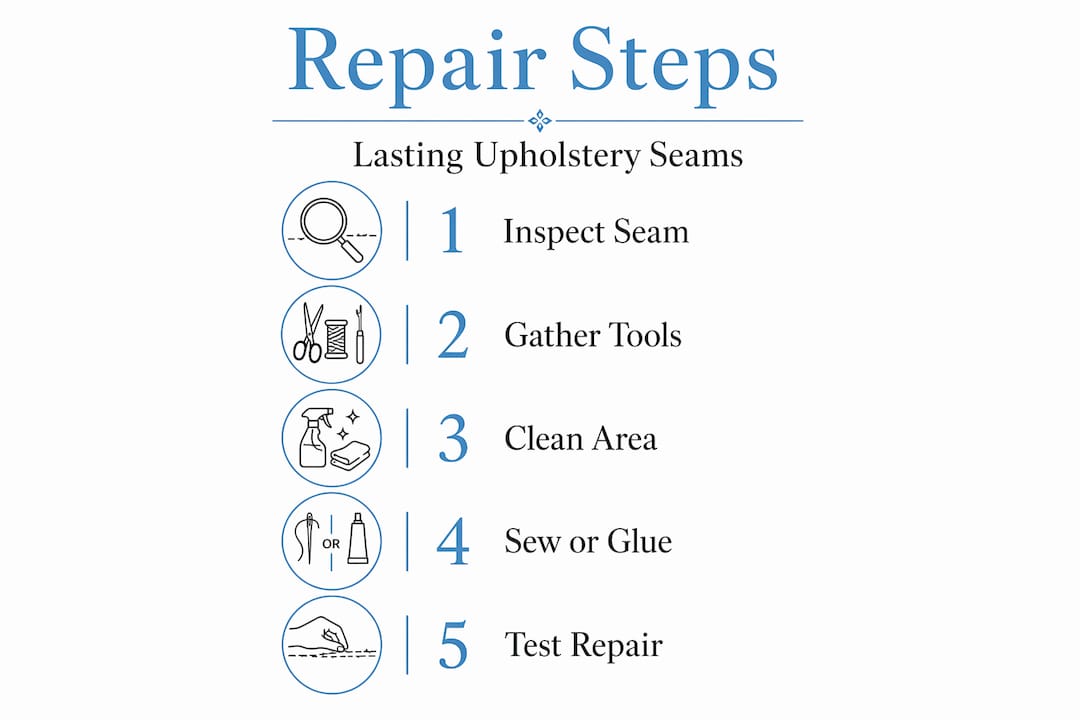
Once you have your tools, inspect the seam closely. Pull it apart gently to see how much seam allowance remains. If the fabric edge is frayed down to less than half an inch, you may need to add a reinforcement patch rather than just resewing. Insufficient seam allowance or fabric overload often causes repairs to fail again quickly, so catching this early changes your approach entirely.
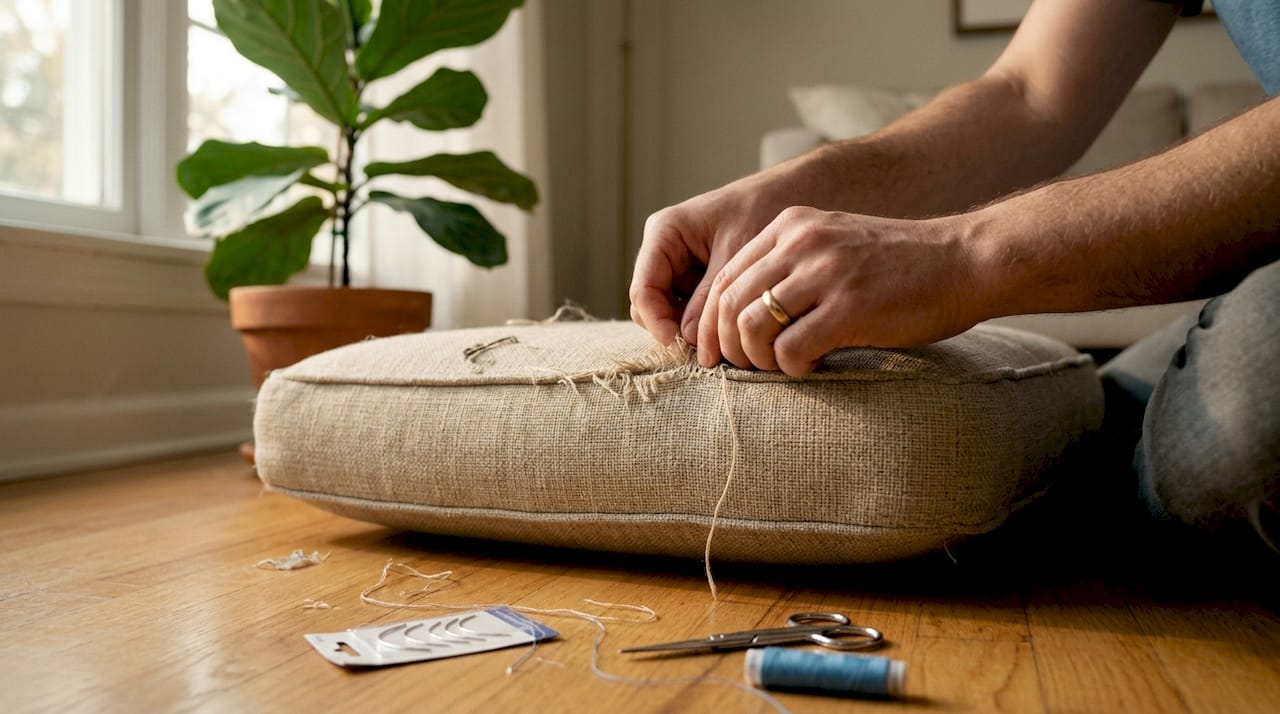
Clean the area with a damp cloth or, for leather and vinyl, rubbing alcohol. Dirt and oils prevent thread from gripping fabric fibers and stop glue from bonding properly.
Step-by-step hand sewing for a durable fix
Hand sewing is the most practical method for most in-place furniture repairs. You cannot easily run a couch cushion through a sewing machine, and even if you could, getting the machine to the seam is often impossible. Here is how to do it right.
- Trim all loose threads around the damaged area with sharp scissors. Loose threads bunch under new stitches and create weak points.
- Align the seam edges so they sit flush. Pin them in place with upholstery pins or hold them firmly with your non-dominant hand as you work.
- Thread your curved needle with about 24 inches of thread. Knot one end with a double knot, then pull the knot through the fabric so it sits hidden inside the seam.
- Use a ladder stitch or back-stitch. For visible seams on cushion edges, the ladder stitch is nearly invisible from the outside. For high-stress areas like seat corners or armrests, use a back-stitch. Back-stitching doubles each stitch, making it significantly stronger than a standard running stitch.
- Insert a reinforcement patch if needed. If the seam allowance is thin or the fabric has started to fray, cut a patch of interfacing or matching fabric and slip it behind the seam before you begin stitching. Internal patches sized about 1 cm beyond the damage spread the load across a wider area and prevent the repair from reopening under pressure.
- Sew with consistent tension. Pull each stitch snug but not tight. Over-tightening puckers the fabric and weakens the repair.
- Finish with a locking knot. After your last stitch, loop back through the previous stitch twice and pull tight. Bury the knot inside the seam so it does not show.
Pro Tip: If you are working with nylon thread, add a tiny dot of superglue on the reverse side of your finishing knot. Nylon is slippery and knots can work loose over time. The glue locks everything in place permanently.
For leather and vinyl, skip the needle if the seam is a split rather than a stitch failure. Clean the area with rubbing alcohol, apply a flexible leather glue in thin layers, and press the edges together firmly. Layered glue applications flex with the seat and resist reopening far better than a single thick coat.
Troubleshooting common repair problems
Even careful repairs hit snags. Here is what to do when things go sideways.
Thread keeps breaking or shredding. This almost always comes down to needle and tension issues. Switching to a larger needle eye and loosening top tension reduces friction on the thread and stops the shredding. Also check that your needle is not dull. A needle that has sewn through heavy fabric more than a few times loses its edge fast.
The seam puckers after stitching. Puckering means your stitches are too tight or your thread weight is too heavy for the fabric. Loosen your tension and try a lighter thread. If the puckering is already done, carefully remove the stitches with a seam ripper and start again with adjusted settings.
Stitches keep skipping. Skipped stitches happen when the needle is the wrong size for the thread, or when the needle is slightly bent. Replace the needle and make sure the thread seats properly in the needle eye.
The fabric tears away from the seam again. This is the most frustrating outcome, and it usually means the repair addressed the symptom rather than the cause. Repeated seam failures suggest insufficient working material or a fit problem that simple restitching cannot fix. In this case, you need to either recut the panel to add more seam allowance or reinforce the entire area with a backing patch before resewing.
Not enough fabric to sew through. When the seam allowance has frayed away almost completely, sewing alone will not hold. Use a fabric glue patch on the back side first, let it cure fully, then sew through both the original fabric and the patch together. This creates a new, wider seam allowance to work with.
When the damage is too widespread or the fabric itself tears easily in multiple spots, that is a sign the material has reached the end of its life. At that point, a DIY fix is a short-term measure at best.
Testing the repair and keeping it strong
A repair that looks good flat on a table may behave completely differently once the cushion is back on the furniture. Testing under real conditions is the step most people skip, and it is the reason many repairs fail within weeks.
Put the cover back on the furniture and sit on it or press the cushion firmly in the areas near the repair. Stress appears at corners, zipper ends, and tight pull areas, so pay attention to those spots specifically. If the seam holds without pulling or gaping, the repair is solid.
Signs your repair worked well:
- The seam lies flat with no puckering or visible gaps
- The stitches are uniform and do not show through to the front of the fabric
- The repaired area does not shift or pull when you apply pressure
- No thread ends are visible from the outside
To keep the repair lasting as long as possible, reduce the stress on that area going forward. Rotate cushions regularly so wear distributes evenly. Avoid sitting on armrests or the edges of cushions near repaired seams. For fabric upholstery, a light fabric protector spray adds a barrier against moisture and friction that wears down thread over time.
If you notice the same seam starting to loosen again within a few months, the problem is almost certainly a fit or allowance issue rather than stitch quality. That pattern points toward professional reupholstery as the more practical long-term solution. You can review what professional upholstery repair options look like when a DIY fix is no longer the right call.
My honest take on DIY upholstery seam repairs
I have seen a lot of people spend an afternoon carefully resewing a seam, feel great about it, and then watch it split again within two months. The stitching was fine. The problem was that nobody looked at why the seam failed in the first place.
Most loose seams on couches and chairs fail because the cover is under too much tension. The fabric is pulled tighter than the seam allowance can handle. When you just restitch without addressing that tension, you are putting new stitches into the same overloaded situation. They will fail again.
What I have found actually works is treating the repair like a small investigation. Pull the cover off, look at the seam allowance, check whether the fabric has stretched or shifted, and ask whether the original seam was ever adequate for the load it carries. Sometimes the fix is adding a reinforcement patch. Sometimes it means resizing the cover slightly before resewing.
The other thing I want to say is that prep is where most of the work happens. Cleaning the area, trimming threads, choosing the right needle and thread for the specific fabric. Those steps feel slow and boring. But they are what separates a repair that holds for years from one that lasts a season.
— Dustin
Get more out of your furniture with Weloveupholstery
If this guide helped you tackle a repair, you are already thinking about your furniture the right way. Keeping pieces in good shape for longer saves money and keeps good furniture out of the landfill.

At Weloveupholstery, we cover everything from quick DIY fixes to knowing when a piece deserves a full professional restoration. If your repair revealed bigger issues, like fabric that tears too easily or seams failing in multiple spots, our full service offerings walk you through what professional upholstery work actually involves and what to expect. Want to know more about who we are and how we approach furniture care? Visit our about page to get the full picture. Whether you fix it yourself or hand it off to a pro, the goal is the same: furniture that lasts.
FAQ
What stitch is best for repairing upholstery seams?
Back-stitch is the strongest choice for upholstery seam repair because each stitch doubles back on itself, creating twice the holding power of a running stitch. For visible seam lines on cushion edges, a ladder stitch gives a nearly invisible finish.
Why does my repaired upholstery seam keep splitting?
Repeated seam failures usually point to insufficient seam allowance or a cover that is under too much tension, not just poor stitching. Addressing fit and allowance issues before resewing is what makes the difference between a lasting repair and a temporary one.
Can I fix a loose upholstery seam without sewing?
Yes, for leather and vinyl repairs, flexible fabric glue applied in thin layers works well. Clean the surface with rubbing alcohol first, apply glue in multiple coats, and press firmly. This method works best for splits and tears rather than stitch failures.
What thread should I use for upholstery seam repair?
Use heavy-duty polyester or nylon thread in 69 or 92 weight for most upholstery repairs. Pair it with a size 16 to 21 needle depending on your fabric weight. Matching needle size to thread weight prevents skipped stitches and thread breakage.
When should I call a professional instead of repairing myself?
If the fabric tears easily in multiple spots or seams keep failing despite solid repairs, the material itself is breaking down. At that point, professional reupholstery is more cost-effective than repeated patching.